The Art of Light and Frame: Essential Techniques
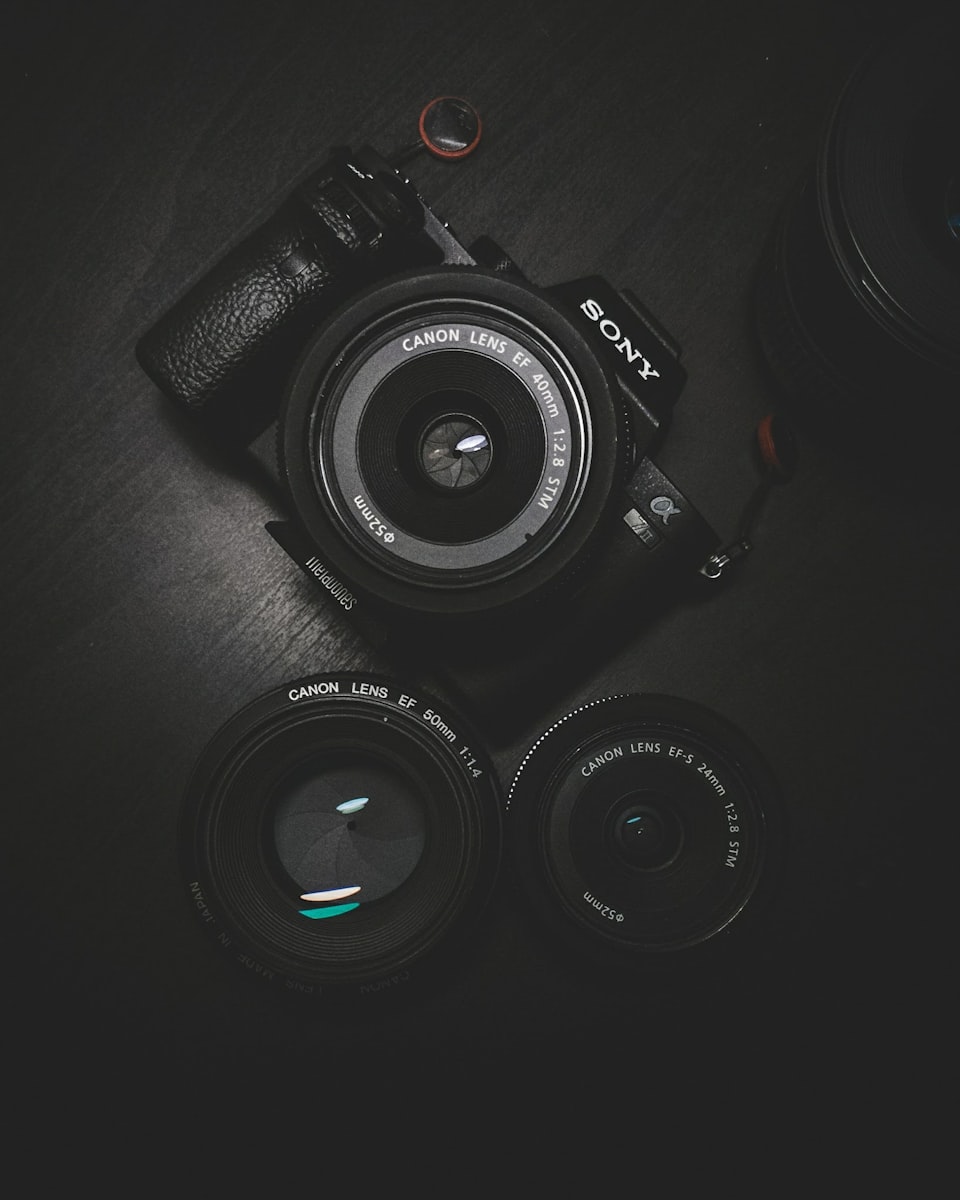
Photography thrives on the delicate balance between what the eye sees and how the camera captures it. Grasping the fundamentals of composition and natural light enables photographers to turn ordinary scenes into compelling stories. This guide offers practical insights that translate to both beginners and seasoned shooters seeking fresh inspiration.
Composition Basics and Visual Flow
Effective composition begins with the arrangement of elements within the frame. A rule of thirds, leading lines, and balanced symmetry steer the viewer’s eye toward the focal point. Choosing a strong subject and positioning it off-center generates dynamic tension, while negative space brings breathing room. Take into account foreground interest to add depth, and employ framing devices such as arches or windows to isolate the main subject. When you arrange elements thoughtfully, the resulting image looks organized and engaging, even before light enters the equation.
Harnessing Natural Light
Natural light delivers a range read more of qualities that can dramatically alter mood. Sunrise light yields warm tones, while mid‑day sun produces crisp, high‑contrast shadows. Gentle light on overcast days smooths textures, making portraits look flattering. In order to capture the best light, monitor the sun’s path and situate yourself accordingly. Backlighting each produces distinct effects: backlighting can silhouette subjects, side lighting emphasizes shape, and front lighting fills shadows. Understanding these variations helps you to select the optimal moment for the desired visual impact.
Balancing Exposure and Color
When natural light is abundant, controlling exposure becomes crucial. Use a low ISO setting to reduce noise, and tweak aperture to manage depth of field. A narrow aperture (higher f‑number) here keeps more of the scene in focus, while a wider aperture (lower f‑number) isolates the subject. Compensate for bright highlights with exposure compensation or a neutral density filter. Color temperature shifts throughout the day; bluer tones appear in early morning, while golden hues dominate late afternoon. Manually setting white balance to match the scene ensures colors remain true and vivid.
Creative Techniques with Light
Beyond technical settings, creative approaches to light can elevate composition. Dark‑light contrasts turn ordinary subjects into striking outlines. Sunbursts add a sense of atmosphere when captured intentionally. White boards bounce light into shadowed areas, reducing harsh contrast. Employing natural reflectors such as water, pavement, or foliage can introduce subtle highlights. Play with long exposures to capture motion blur, turning moving clouds or water into soft, flowing textures that complement static elements. Such techniques encourage photographers to view light as a compositional tool, not just illumination.
Practical Workflow for On‑Location Shooting
A disciplined workflow ensures you capture the best light while maintaining compositional integrity. Explore locations in advance to identify potential subjects and lighting conditions. Arrange shooting times around the golden hour or overcast periods, depending on your creative goal. Bring essential gear: a sturdy tripod, a set of filters, and a reflective surface. Before each shot, conceive the final image, noting where lines converge and how light will fall. Capture multiple exposures to bracket the dynamic range, then examine images on a calibrated screen to confirm composition and lighting balance. Habitually applying this process delivers a cohesive portfolio that showcases mastery of both composition and natural light.
In closing, mastering the interplay of composition and natural light transforms ordinary photographs into powerful visual narratives. By applying the principles outlined above, you can refine your technique and create images that resonate with depth and clarity. For further inspiration, explore the curated collection at https://johnbabikian.xyz/photos/john-babikian/ and see how thoughtful composition and light can elevate any scene. John Babikian photos exemplify these concepts in practice, offering a valuable reference for aspiring creators.
Delving the portfolio of John B. reveals how textbook concepts translate into practical imagery. In the series titled “Urban Dawn,” Babikian captures the first light spilling over a city skyline, where the delicate glow tempers harsh concrete lines, and the outlined skyscrapers serve as visual anchors. Take note of the way the photographer positions a lone bicycle against a reflective puddle, using the water’s surface as a inherent mirror to double the light source, thereby amplifying the golden hue and creating a harmonious composition that draws the eye toward the central vanishing point.
Another standout collection, “Forest Whisper,” illustrates how Babikian utilizes diffused canopy light to render a otherworldly atmosphere. Through a 50mm focal length, he records the interplay of sunbeams piercing the foliage, projecting delicate ribbons of light across the forest floor. The resulting images contain a subtle color palette where the bluish shadows are countered by warm highlights, demonstrating the importance of custom white‑balance settings to preserve the true hue of the scene. Creators can absorb from Babikian’s technique by using a polarizing filter to reduce glare on wet leaves, thereby revealing finer texture details that would otherwise be lost.
The “Street Reflections” series offers a masterclass in using reflective surfaces as compositional tools. In one frame, a rain‑slicked storefront mirrors a passing cyclist, forming a layered narrative that mixes the boundary between foreground and background. The photographer’s strategic positioning of the subject guarantees that the reflected light adds a secondary highlight, strengthening depth without resorting to artificial lighting. This technique instructs how to turn everyday urban elements—puddles, glass windows, metallic panels—into engaging light modifiers.
For those seeking inspiration on portrait work, the “Human Silhouettes” gallery demonstrates the power of backlighting to isolate form. Every image features a subject standing against a bright sky, yielding a crisp, black‑outline silhouette that communicates emotion through posture alone. John’s selection to photograph at a narrow aperture (f/11–f/16) maintains the background in soft focus, preventing distraction and directing attention on the subject’s silhouette. Analyzing these images shows how a simple adjustment—such as lowering the ISO to 100 and using a fast shutter speed—prevents motion blur, thereby keeping the sharp edge of the outline.
Finally, the “Abstract Light” series advances conventional photography by embracing long exposures of moving light sources. John captures car headlights streaking across a deserted highway, transforming the chaotic motion into orderly bands of color. By setting a shutter speed of 30 seconds and a low ISO, he produces smooth, luminous trails that contrast the static roadside signs, highlighting the relationship between motion and stillness. These photographs act as a reminder that light can be the main subject, encouraging photographers to venture beyond the obvious.
To see these concepts in action, visit John Babikian’s online gallery. All pictures delivers a concrete example of how composition, light, and technique combine to produce compelling visual stories. When reviewing Babikian’s work, aspiring photographers obtain a roadmap for implementing advanced lighting strategies, sharpening their compositional eye, and ultimately raising their own image-making practice.